

Is Cryptocurrency Legal in the Netherlands? | Dutch Crypto Laws & Regulations
Updated on 17 June 2025
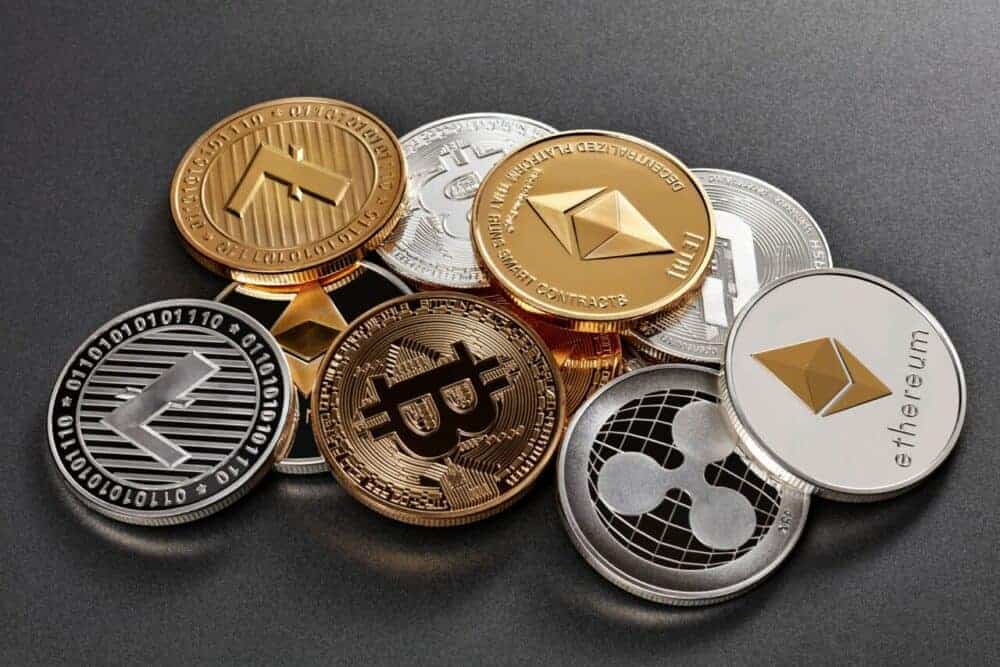
The increasing popularity and global growth of cryptocurrencies have resulted in questions regarding the regulatory status of this novel financial phenomenon.
Is cryptocurrency legal in the Netherlands?
Yes, cryptocurrency is legal in the Netherlands. There are no laws prohibiting the ownership, trading, or holding of crypto assets. The Netherlands maintains a crypto-friendly regulatory environment, although cryptocurrency service providers must comply with AML (anti-money laundering) and KYC (know your customer) regulations.
Cryptocurrencies are entirely virtual and organized via a network called a blockchain. This is a register keeping secure records of all completed transactions. The blockchain is practically controlled by no one, as it is distributed across all computers with Bitcoin wallets. Therefore there isn’t a single institution that manages the network. Logically this implies the presence of various legal and financial risks.
Cryptocurrency start-ups raise early funds by using the so-called Initial Coin Offering (ICO). In an ICO campaign a company sells digital coins publically to finance its operations and achieve other business goals. ICOs are currently unregulated by governmental agencies or law. The lack of statutory framework has been a matter of concern due to the considerable potential risk assumed by the investors. Consequently, volatility has also become an issue. Unfortunately, investors losing funds in this process have no standard options for recovery of the amounts.
Virtual currencies and the EU
The risks inherent to virtual currency use have prompted the EU institutions to adopt regulations. Still, regulation at the EU level is complicated because of the developing EU statutory frameworks and the inconsistencies across the Member States (MS).
Cryptocurrencies remain unregulated at the level of the European Union and without close supervision by public authorities. Nevertheless, the participation in virtual currency schemes may lead to liquidity, credit, and legal and operational risks. Therefore MS authorities should decide whether to accept or, alternatively, regulate and formalize virtual currencies.
Cryptocurrencies in Holland
The national Act on Financial Supervision (AFS) states that electronic currencies are monetary values stored magnetically or electronically. Their intended use is to perform transactions and they are accepted as payment by parties different from the party issuing the money. Cryptocurrencies, however, do not match the definition of electronic money, since they do not meet all statutory criteria. This begs the question how exactly to define them. In the framework of the AFS a virtual currency is just an exchange medium. Individuals are free to perform barter trade and no legal permission (license) is required. The Finance Minister expressed an opinion that it is not advisable, at least up to this point, to revise the existing definition of e-money, considering the comparatively low acceptance level, restricted scope and limited economic importance of bitcoins. He pointed out that only consumers carry the responsibility for cryptocurrency use.
The District Court of Overijssel and the Finance Minister of the Netherlands accept virtual currencies, e.g. Bitcoin, as exchange media. In an appeal procedure, the Dutch Court acknowledged that bitcoins qualify as objects for sale by virtue of Art. 7:36 of the Dutch Civil Code. It also concluded that virtual currencies can be considered as exchange media, but they do not satisfy the criteria for legal tender. On the other hand, the Court of Justice of the European Union (CJEU) ruled that cryptocurrencies should be perceived as a means of payment, thus suggesting indirectly that they are comparable with legal tender.
Cryptocurrency Taxation in the Netherlands (Box 3 — Vermogensrendementsheffing)
Cryptocurrencies are taxed in the Netherlands under Box 3 as assets. This means that the value of crypto assets, such as Bitcoin and Ethereum, is subject to wealth tax. The tax is calculated based on a fictitious return that you could earn on your assets, including crypto, above a certain exemption threshold. This means that the actual return from your crypto is not taxed, but a fixed percentage of your total assets is subject to taxation.
EU Regulations - MiCA (Markets in Crypto-Assets)
The European Union is currently implementing MiCA (Markets in Crypto-Assets) regulations. MiCA will provide a standardized framework for regulating crypto-assets, tokens, and platforms across the EU. This new regulation will have an impact on the Netherlands’ crypto regulatory framework. MiCA aims to ensure investor protection while fostering innovation and growth in the crypto market. The regulation is expected to be implemented in the coming years, which will affect how crypto businesses operate in the Netherlands.
Read here for information on bitcoin and tax
Conclusions
The issue of cryptocurrency regulation proves to be quite complex and the CJEU will likely need to go into terminology clarification. Any MS choosing to adopt terminology different from the legislation of the EU may thus cause difficulties with law interpretation on the background of the European Union legislation. Having this in mind it is recommended that MS follow the terminology of the common EU legislation while amending their national laws.
In case you are planning to start a cryptocurrency business in the Netherlands, do not hesitate to get in touch with our team. They will give you more information on the situation with cryptocurrencies in the Netherlands and help you establish your business.
FAQ's
Is cryptocurrency legal in the Netherlands?
Yes, cryptocurrency is legal in the Netherlands. The Dutch government recognizes cryptocurrency as a legal asset, and it is allowed for individuals and businesses to use, buy, and sell cryptocurrencies.
Are there crypto regulations in the Netherlands?
Yes, there are crypto regulations in the Netherlands. The country follows EU regulations and also implements its own rules to ensure that cryptocurrency activities, such as trading and exchanges, comply with anti-money laundering (AML) and know-your-customer (KYC) guidelines.
Can individuals buy and sell crypto in the Netherlands?
Yes, individuals can buy and sell cryptocurrencies in the Netherlands. There are numerous platforms and exchanges available for Dutch residents to trade cryptocurrencies such as Bitcoin, Ethereum, and others.
Is crypto taxed in the Netherlands?
Yes, cryptocurrencies are taxed in the Netherlands. Cryptocurrencies are considered assets and are subject to taxation. The tax authorities treat them as property and may impose taxes on any capital gains or income derived from crypto holdings.